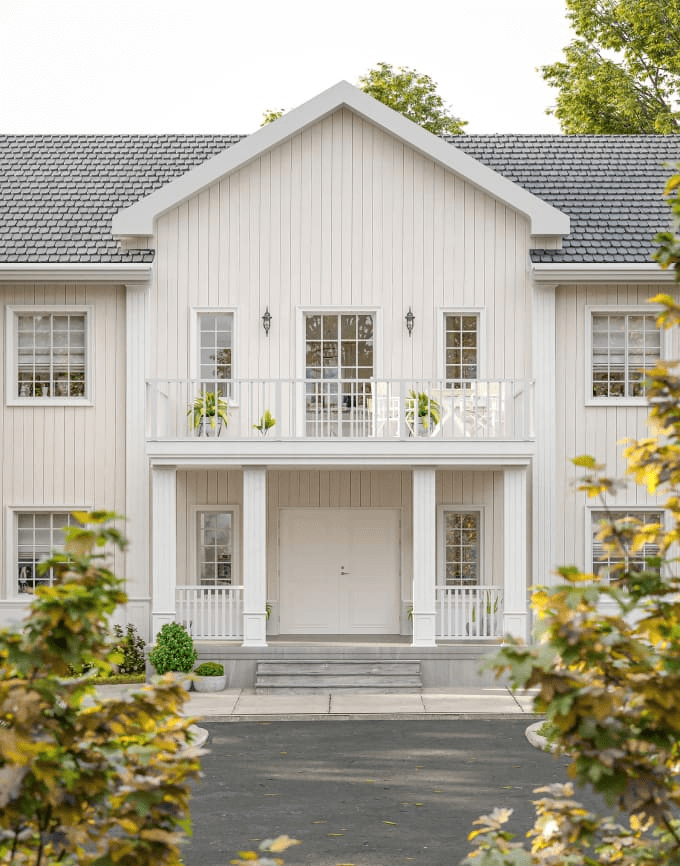
What’s 3D Rendering?
3D rendering or photo-real rendering is often a nomenclature of producing an image based on three-dimensional data stored inside of a computer. 3D rendering can be designed to be abstract and also as realistic as painting or photograph. Unlike digital photography training, however , everything is imaginary and scenes need to be built. 3D Rendering requires a lot of work usually boundless sum of creative control over what may appear in the scene that you just it is graphically presented to achieve good results. Before it could be finished you first need to do the Modeling or Animating process. You can to be “real time” because the computer makes the rendering at once time, at each movement or modification of the 3D unit.
The rendering and shading technology was first started in 1960’s by venerable designer William Fetter who was aiming to devise a new process in order to maximize the efficiency with the layout inside an airplane cockpits. Over the years on the road of realism goes, 3D rendering was re-develop to increase complexity of your scene. It was called other names such as “Gouraud Treatment Model”, “Phong Rendering and later on “Ray Tracing” term by their developers until it was named “3D Rendering”. I personally like the euphony of the word 3D rendering set alongside the other names it was called.
The latest technology for photography realistic renderings wade beyond basic ray tracing, via the stimulation of technology, faster computers and a new entry into the world of talents photo realistic 3D rendering has been ubiquitously used among artist.
Why 3D architectural rendering is usually a niche nowadays?
3D allows you to stimulate your creative horizons through movement, depth and animation. Over the years companies realize easy methods to debouch the power of 3D visualization adds tremendous value thus to their presentations and other marketing campaigns, resulting to high volumes of sales and profits for their products and services. It is important to heighten the awareness of what three-dimensional can do for a business’s growth. In 3d architectural web site presents your project/product in a turpitude or more appealing variety then gives you an edge over old mediums. 3D pic real renderings play major role in real estate sales. Prospects repose on the final product, so in order to sell everyone project its bes to present it realistically through animations architectural rendering, animation or walkthroughs.
Qualities Of A Fantastic 3D Architectural exterior?
3D Rendering is a great way to showcase your products or ideas and deliver visual guidelines ostentatiously to your potential clients so it’s important to know how to achieve fantastic rendering. Your ideas are translated in 3D to create Photo-Perfect 3D images. The 3D rendering artist must regulate all aspects of the scene such as Texture, Lighting, Visibility, Getting the right Angle, Detailed Model, and balance regarding Entourage in order to create a perfect result.
Texture – an approach by which you add details, where you specify a colors, a level of reflectivity and even a degree of bumpiness towards scene. Textures allow 3D models to look significantly more in-depth and realistic than they would otherwise. In order to achieve a higher level involving realism make sure that the edges match closely to your style, have a larger number of smaller polygons and don’t forget to to produce good accuracy. Textures can also be repeated horizontally and/or vertically across a surface (with our without a degree of rotation), a technique used extensively for modeling surfaces such as bag walls, grass, roads, fences, etc . It can be applied on two ways: either the texture replaces whatever colour is inherant to the polygon, or the texture colour is mixed thoroughly with the colour and surface properties of the polygon
Lighting fixtures – is an important aspect of scene setup in making it search realistic, this is the process where you create lightning sources for a environment, shade, shadows and refections. Lighting effects can make contributions greatly to the mood and emotional response effected using a scene and can be a difficult art to master. The visualization of light in space, its effect on model cubature and visual effect, is one of the great challenges in architectural rendering. The best gambled to gain complete control over your lights is to have fun, ignore standard practices and investigate exactly how your lighting fixtures instruments perform and react. A good lighting means all the things in the scene is brightly lit so you can see just about every single details.
Transparency – Transparency and light refraction within a transparent material are the key parameters in order to get a realistic rendering associated with a material like solid glass. In creating your arena photo realistic put simply, you can see shadows through your elements.
Buying the right Angle – having the right angle is one of the most important factor you consider, you have to make sure the important views are viewable in the world and should not be distorted.
Detailed Models – Building designs, is an extremely labor intensive process, even more so than our 3D units. It requires scrupulous attention to small details in order to achieve perfection. Simply a 3D model is a computer simulated wireframe statement of an object. In creating a good 3d models you’ll need a powerful computer and processor to run most of the software. Then you’re output your 3D model by rendering it. A process that allows you to create a flat image of the model with texture and also lighting added to the model to complete your work.
Balance connected with Entourage – in order to create a realistic rendering you need to populate your scene with people, cars, landscaping, etc . The trick could be to find the right balance of elements, and avoid objects that are overly unusual or detailed no matter how appealing may seem.
Last but not the least if you are aiming for perfections, create a bit of imperfection to the edges to your scenes such as floor tile, glass, dirt on the block and walls to make it realistic.
What makes a Good Rendering?
- The true measure of good rendering is the ability to accurately along with persuasively depicts the client’s ideas.
- Good render should capture details.
*Each is met with a fresh glimpse, based upon extensive experience with a diversity of media in addition to building types, to create a singular expression for each project.
- Has the benefit of making clear and accurate presentations.
going to see It should be easy to understand, high impact and quick to inspire gothic renderings which can communicate about a proposed architectural design on the best possible manner.
- Evocative works evolves from an amenable client-artist dialogue which aims to create visage appearance the fact that faithfully reflect designers’ and developers’ intentions and aspirations.
*Express the intangible emotional and spiritual qualities structure can possess.
 Olasto